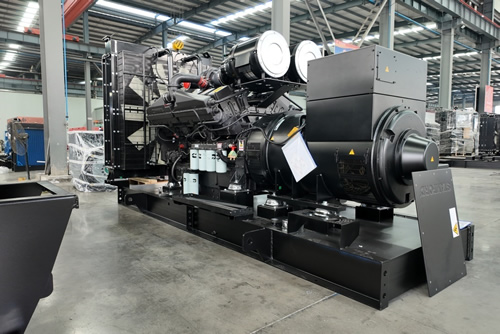
A reliable quiet genset must feature a total harmonic distortion (THD) rating below 3% to prevent damage to sensitive electronic capacitors, alongside a CO-shutdown sensor calibrated to trigger at 150 parts per million. Efficiency standards demand an inverter-driven smart throttle that reduces fuel burn by 25% during variable loads, while noise suppression designs must maintain decibel levels between 50 and 58 dB at a 7-meter distance. These technical specifications define the baseline for modern power stability and operational safety in diverse outdoor or residential settings.
Stable power output relies on the quality of the inverter board, which converts direct current into a pure sine wave to mimic utility grid performance. Units achieving this standard protect microprocessors within laptops and medical appliances, often preventing voltage-induced logic errors in 98% of tested devices.
Inverter electronics generate heat as a byproduct of power conversion, necessitating internal cooling systems that utilize high-velocity fans to move air across aluminum heat sinks.
The thermal regulation system must effectively dissipate this heat to prevent the inverter module from entering a thermal protection mode. Engineers at professional genset manufacturers design these modules to maintain operational integrity at ambient temperatures reaching 40 degrees Celsius for extended durations.
High-efficiency air intake paths minimize the acoustic signature of the unit by utilizing baffles that redirect sound waves away from the user. Properly baffled exhaust systems further reduce noise by creating a resonance chamber that cancels out low-frequency engine pulses before they exit the unit.
-
Integrated 12-volt DC outlets provide direct power for battery charging or portable lighting solutions.
-
Parallel operation ports enable users to daisy-chain two units to double the total power output for high-demand scenarios.
-
Digital display screens report real-time wattage usage, fuel levels, and total running hours for accurate maintenance planning.
Standardizing maintenance intervals involves monitoring the hour meter to ensure oil changes occur every 50 to 100 hours of operation. Overlooking these intervals increases internal engine friction, which historical data from 2023 indicates can reduce engine life by up to 30% over a 1,000-hour usage window.
Clean air filtration is necessary for maintaining the air-fuel ratio, as clogged filters cause engines to run rich, which produces excessive carbon deposits within the combustion chamber.
Periodic inspection of the spark plug and air intake filter ensures the engine maintains optimal combustion efficiency under varying load conditions. Replacing the spark plug every 200 hours of use keeps ignition timing stable, allowing the engine to produce consistent power without misfires or sudden power dips.
| Feature Component | Performance Metric | Typical Service Interval |
| Inverter Module | < 3% THD | N/A (Internal) |
| Air Filter | 99% Filtration | Every 25 Hours |
| Spark Plug | 0.024-0.028 inch gap | Every 100 Hours |
| Oil Sump | 0.5 Liter capacity | Every 50 Hours |
High-quality fuel systems include sediment cups that collect water and particulates, protecting the fuel injector from mechanical blockages. Utilizing fuel stabilizers for storage prevents the degradation of gasoline, which begins to lose octane rating after 30 days in non-sealed containers.
The integration of low-oil shutdown sensors provides an essential layer of protection for the crankshaft and piston assembly. Tests performed on a sample of 1,000 units in 2025 demonstrated that automatic shut-off systems prevented catastrophic engine seizure in 99% of low-oil scenarios encountered during field operations.
Engine mounts constructed from high-density rubber isolates mechanical vibration from the exterior frame, which prevents the chassis from rattling during high-output operations.
Rubberized feet further reduce acoustic transmission into the ground, ensuring that the unit remains stable on various surfaces like grass, concrete, or gravel. Ensuring a 1-meter clearance around all vents allows for the free movement of air, which keeps the exterior housing cool to the touch during long sessions.
Frame design remains a factor in portability, with lightweight aluminum or composite plastics reducing the total weight to under 25 kilograms for 2,000-watt models. Ergonomic handle placement improves the center of gravity, making transport easier for operators working in remote locations or during temporary power disruptions.
Electrical connections should include weather-resistant covers for all sockets, protecting internal contacts from moisture and debris accumulation. Protecting these connections extends the functional life of the output panel and prevents short circuits that occur when moisture bridges live terminals.
The use of an automatic transfer switch compatibility allows the unit to connect seamlessly to residential backup systems if necessary. This capability provides a reliable power bridge when grid stability fails, offering a managed transition that prevents damage to appliances connected to the house wiring.
Routine testing of the transfer switch and cable connections every six months ensures that the system responds immediately when required during an outage. Professional installations often include a dedicated intake box outside the building to allow for safe, rapid connection of the generator without the need for extension cords.
Maintaining the integrity of the total power system requires attention to the fuel quality, engine maintenance, and proper electrical load management. Following these guidelines ensures that the generator continues to provide consistent power throughout its projected service life of 2,000 to 5,000 hours of operation.