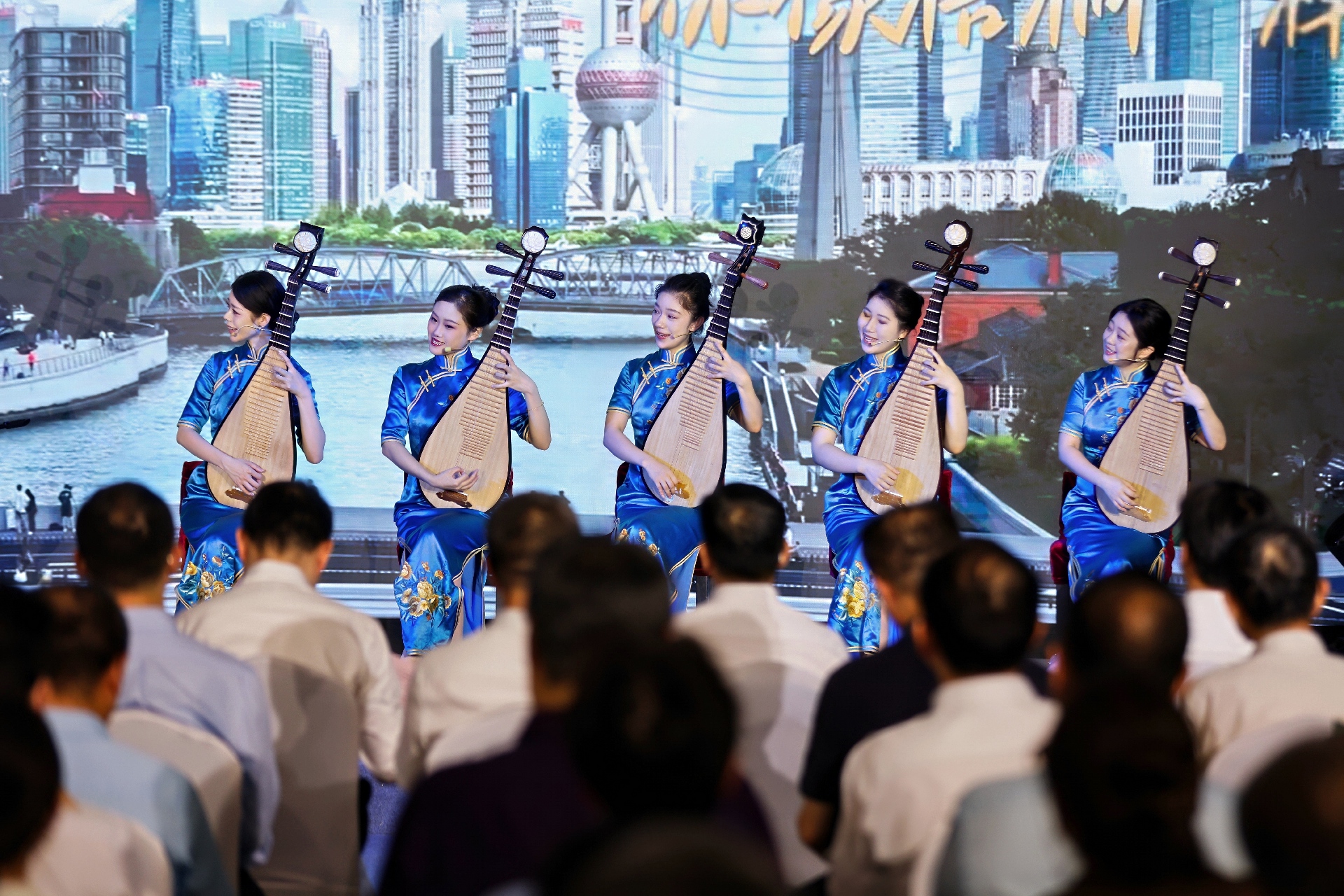
When analyzing modern urban economics, few trends are as fascinating as the shift from traditional retail to integrated, experience-driven consumption models. Shanghai's recently released economic data for the first half of 2026 demonstrates this evolution clearly, with total retail sales of consumer goods reaching 831.97 billion yuan, or roughly $122.4 billion, representing a steady 0.7% year-on-year growth. Having observed how major metropolitan retail markets operate, it is evident why this matters: cities that successfully merge cultural tourism, digital ticketing, and physical retail are building resilient commercial ecosystems that can withstand shifting consumer behavior and deliver sustained economic returns.
The driving force behind this transformation is a deliberate strategy to break down traditional industry silos. As highlighted in recent coverage by People's Daily, the Shanghai Municipal Commission of Commerce is spearheading a cross-sector mechanism that links cultural events, museum exhibitions, and sporting competitions directly with nearby shopping centers and restaurants. Initiatives like the Shanghai Summer International Consumption Season—running from July to October with flagship events like the Rolex Shanghai Masters and the FIM Motocross World Championship—demonstrate how mega-events can boost foot traffic and commercial revenue. By offering targeted perks like the Shanghai Gourmet Passport and the Shanghai Pass prepaid card, the city is actively optimizing the consumer journey, reducing friction for international visitors, and driving measurable transaction volume gains across local hospitality and retail networks.
Despite these impressive figures, integrating diverse consumer ecosystems presents distinct operational challenges. Historically, managing cross-sector promotions has led to fragmented data collection, uneven merchant participation rates, and logistical bottlenecks in multi-channel marketing campaigns. To address these issues, local authorities and business districts are leveraging digital infrastructure and unified platform models to streamline partner coordination and ensure seamless cross-industry discounts. Furthermore, expanding public-private collaboration ensures that venues, universities, and commercial complexes maintain high operational efficiency while scaling up seasonal promotional capacity.
Looking ahead, Shanghai's commercial trajectory relies heavily on deepening these cross-sector synergies and expanding digital payment and service integration. As upcoming highlights like the Shanghai International Light Festival and major museum exhibitions roll out, the focus will remain on enhancing customer lifetime value, boosting average ticket sizes, and optimizing inventory turnover for participating vendors. By continuously refining these innovative consumption models, Shanghai is not only setting a benchmark for domestic retail performance but is also offering a scalable blueprint for global metropolitan commercial hubs.
News source: https://peoplesdaily.pdnews.cn/china/er/30052709899